Rev. James King (1791–1867): The Man Behind Bristol and Our Name
The Presbyterian minister whose farmland became downtown Bristol, who gave the land for King College, and whose name King Lodge No. 461 has carried since 1874.
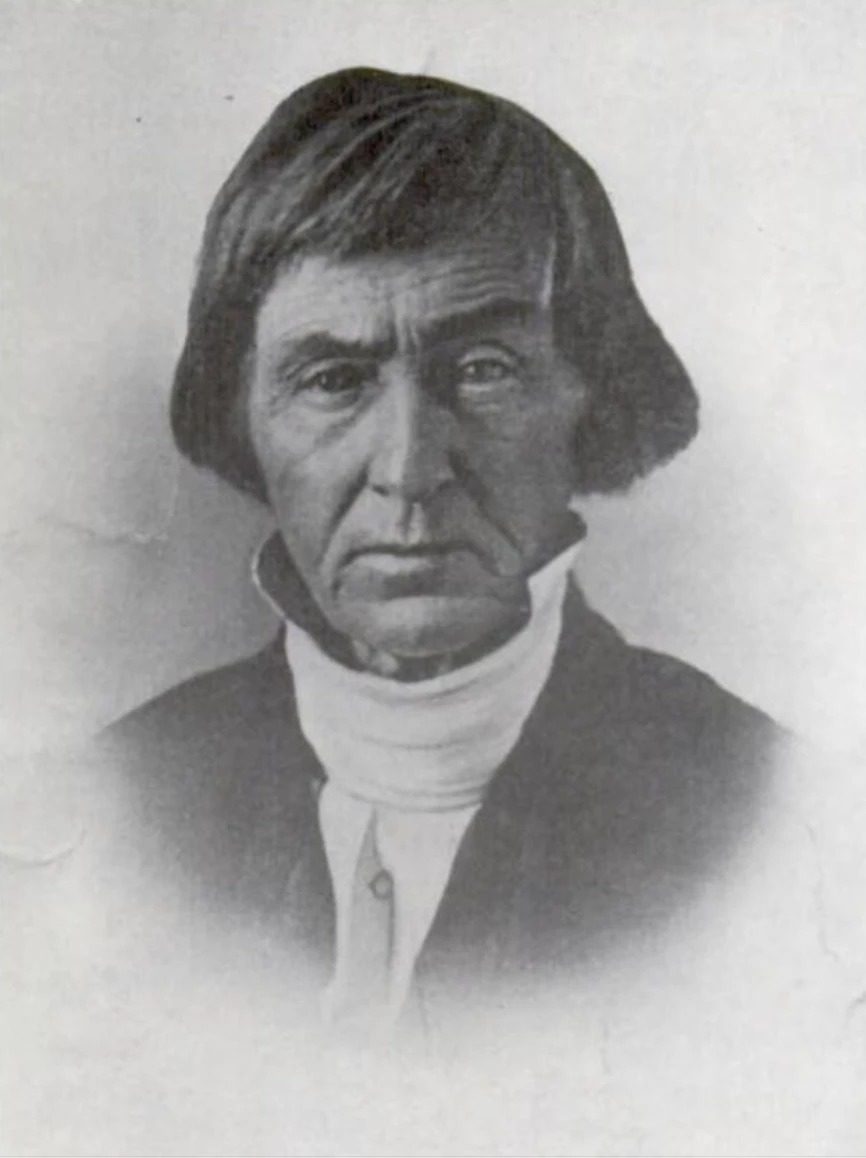
King Lodge No. 461 bears the name of the Rev. James King (1791–1867), the Presbyterian minister whose farmland became downtown Bristol. When our Lodge was chartered on November 9, 1874, seven years after his death, the Brothers chose to honor the man without whom the city itself might never have existed.
A family rooted in the region
James King was born on February 11, 1791, the son of Col. James King (1752–1825) and Sarah Goodson King. His father was an Irish-born surveyor and Revolutionary War officer who settled in this corner of Tennessee, built one of the earliest iron furnaces in the state and acquired large tracts of land around what would become Bristol. The younger James inherited part of that land, including the old Sapling Grove property.
In 1812 he married Mourning Micajah Watkins (1792–1866). Among their children were Sarah Ann, James, Margaret and Malinda, known in the family as “Lin.”
From King’s Meadows to Bristol
Before 1852, the heart of today’s Bristol, Tennessee and Virginia, was farmland on the Rev. King’s plantation, known as Mountain View or King’s Meadows. His son-in-law Joseph R. Anderson, a young merchant from Blountville who had married Malinda King, learned that two railroads were planned to meet on the King land and saw the makings of a town.
On July 10, 1852, Anderson contracted with his father-in-law for 100 acres of the plantation, about 48 acres on the Tennessee side of the line and 52 in Virginia. Within days he had named the new town Bristol, after the English industrial city. He surveyed it into streets and lots, built the first building in town in 1853 and became its first mayor when Bristol was incorporated in 1856.
Minister and church builder
The Rev. King served the Presbyterians of the new town as stated supply and later as their ordained pastor. He built a large house of worship for the congregation and dedicated the church in 1858.
The “Glory Grove” and King College
In April 1866 the Holston Presbytery met at Pleasant Grove Church in Bristol to found a college. The Rev. King gave roughly 25 acres and buildings for its campus, a tree-crowned hill he called his “glory grove,” the place where he had made his own Christian commitment and where he often went to read and pray. In gratitude, the Presbytery named the school King College. Classes began in 1867; today it is King University.
Through the Civil War
The war years were hard on the King family and on Bristol, a railroad town both armies wanted. In an October 1864 letter to his daughter Margaret, the Rev. King described the town emptying as Union forces approached, he wrote that only he and a handful of others stayed, and his relief when the threatening army fell back.
His resting place
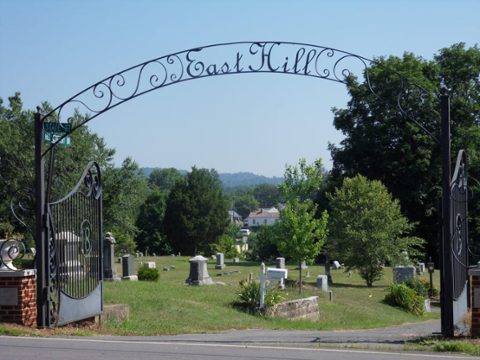
Mourning King died in 1866. The Rev. James King died in Bristol on July 14, 1867, the same summer the first students arrived at the college that bears his name. He is buried in East Hill Cemetery, among many of the people who built the city he made possible.
Why our Lodge carries his name
King Lodge No. 461 was chartered on November 9, 1874, and for decades met on Main Street (now State Street), in the heart of the town laid out on the Rev. King’s former farmland. The name has linked our Brothers to the founding of Bristol ever since.
Notes and sources
Sources differ on a few details. Genealogical records give his full name as James Goodson King; some histories call him James A. King, and most simply Rev. James King. King University dates the college’s opening to 1867, while the 1887 Goodspeed history gives 1868. We welcome corrections and additional records from Brothers and local historians.
- Goodspeed’s History of Tennessee, Sullivan County (1887)
- City of Bristol, Tennessee, History of Bristol
- King University, Our History
- Clio, Historic Bristol Walking Tour
- Find a Grave, Rev. James Goodson King (memorial 47468203)
- Spared & Shared, 1864 letter of Rev. James Goodson King
- An American Family History, Col. James King (1752–1825)