DISCOVER FREEMASONRY

You’ve heard about Freemasonry. Come see what it’s actually about.

For generations, men have walked through the doors of King Lodge in Bristol looking for friendship, purpose, tradition and a chance to make a difference in their community.

Freemasonry is a fraternity built around friendship, character, service, personal growth, and traditions that have connected generations of men for centuries. It isn’t a religion, and despite some of the myths and stories surrounding it, there’s nothing mysterious about taking the first step. You don’t need a special invitation. If you’re interested, you can simply ask.

No myths. No sales pitch. Just a chance to discover Masonry for yourself.

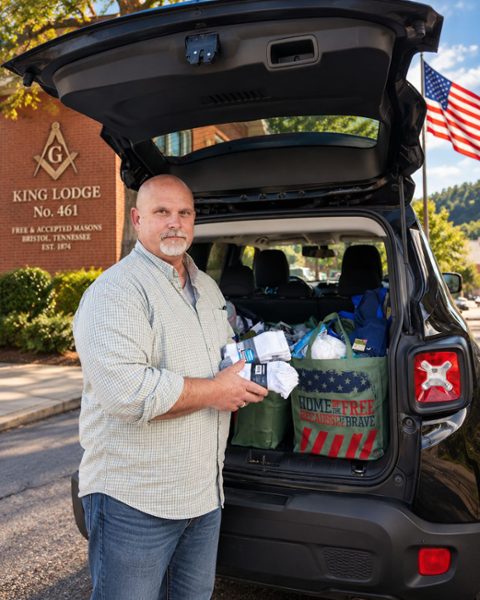
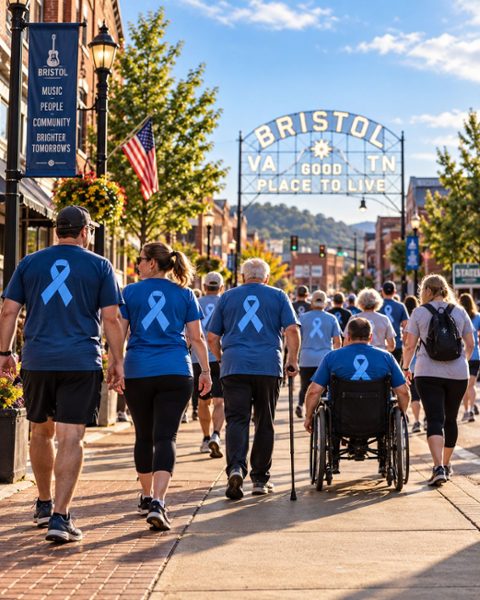
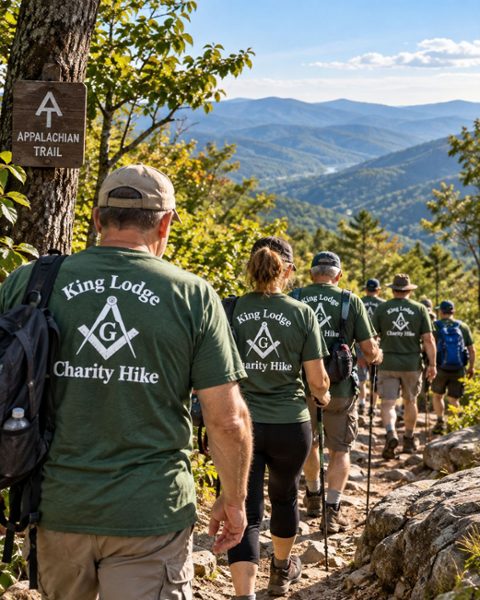
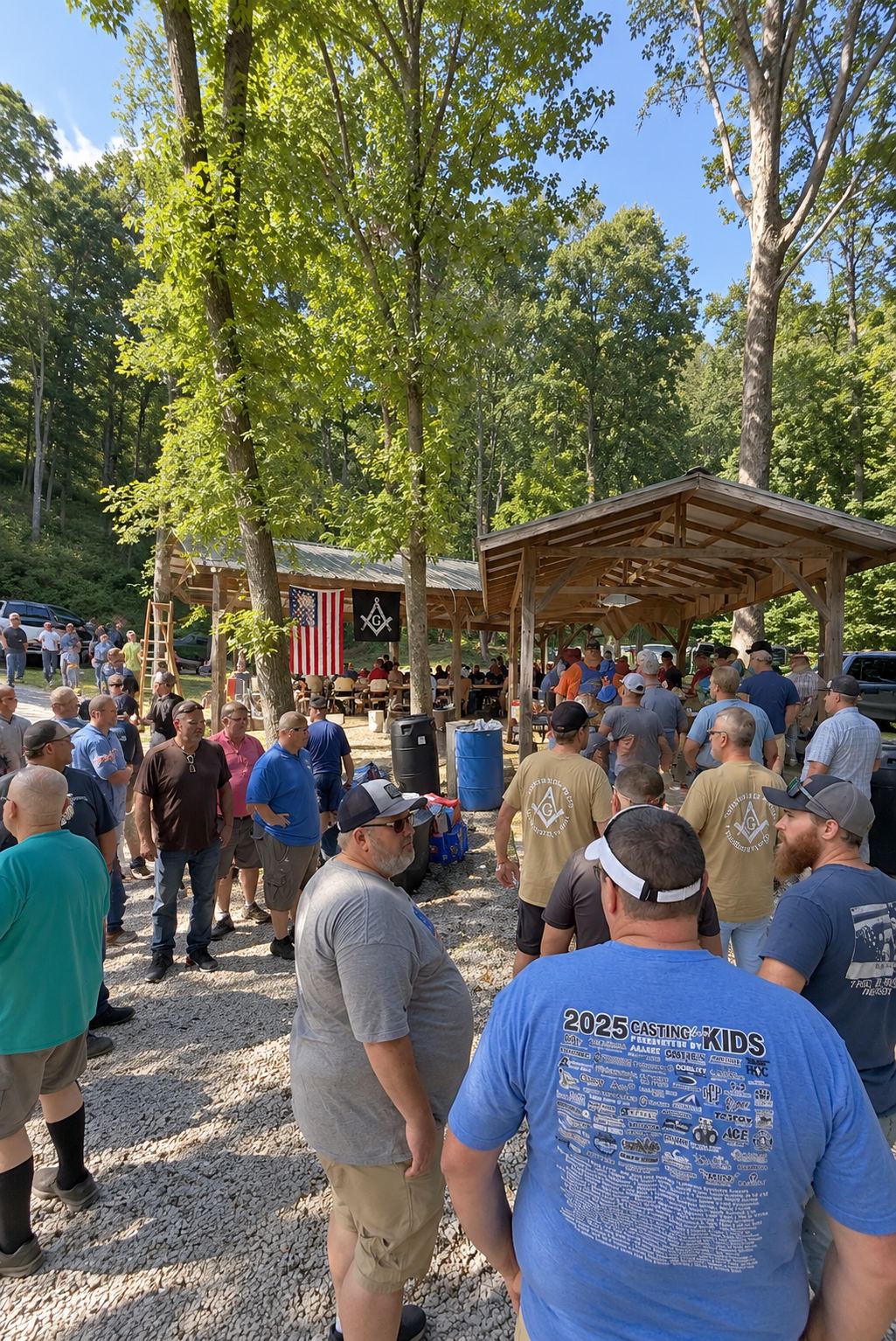
King Lodge members and neighbors gathered outdoors at a community event
WHAT IS IT?

Freemasonry in plain English

Freemasonry is a fraternity.

At its simplest, it’s a group of men who meet regularly, share meals and friendship, take part in centuries-old traditions, work on becoming better men, and work together to help their community.

  • We have meetings.
  • We elect officers.
  • We pay dues.
  • We have committees.
  • We organize events.
  • We raise money for charity.
  • We help people.

And sometimes we just sit around the dinner table telling stories and enjoying each other’s company.

What makes Freemasonry different is the tradition around it. Masonry uses ceremonies, symbols and lessons handed down from one generation to the next to teach ideas about character, responsibility, integrity and how we treat other people.

That’s the foundation. Everything else makes more sense once you understand that.

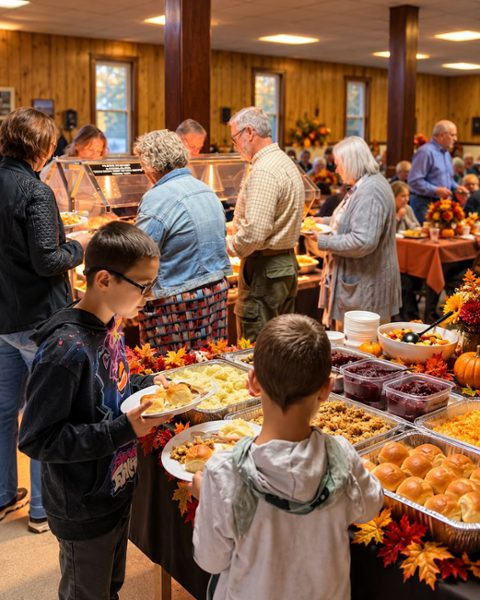
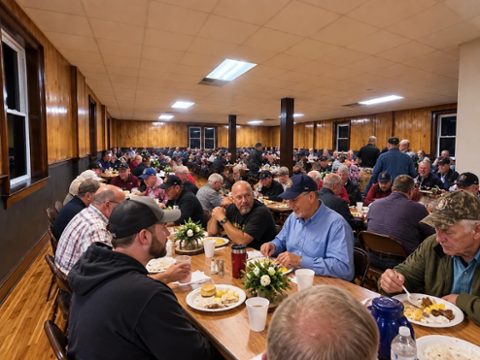
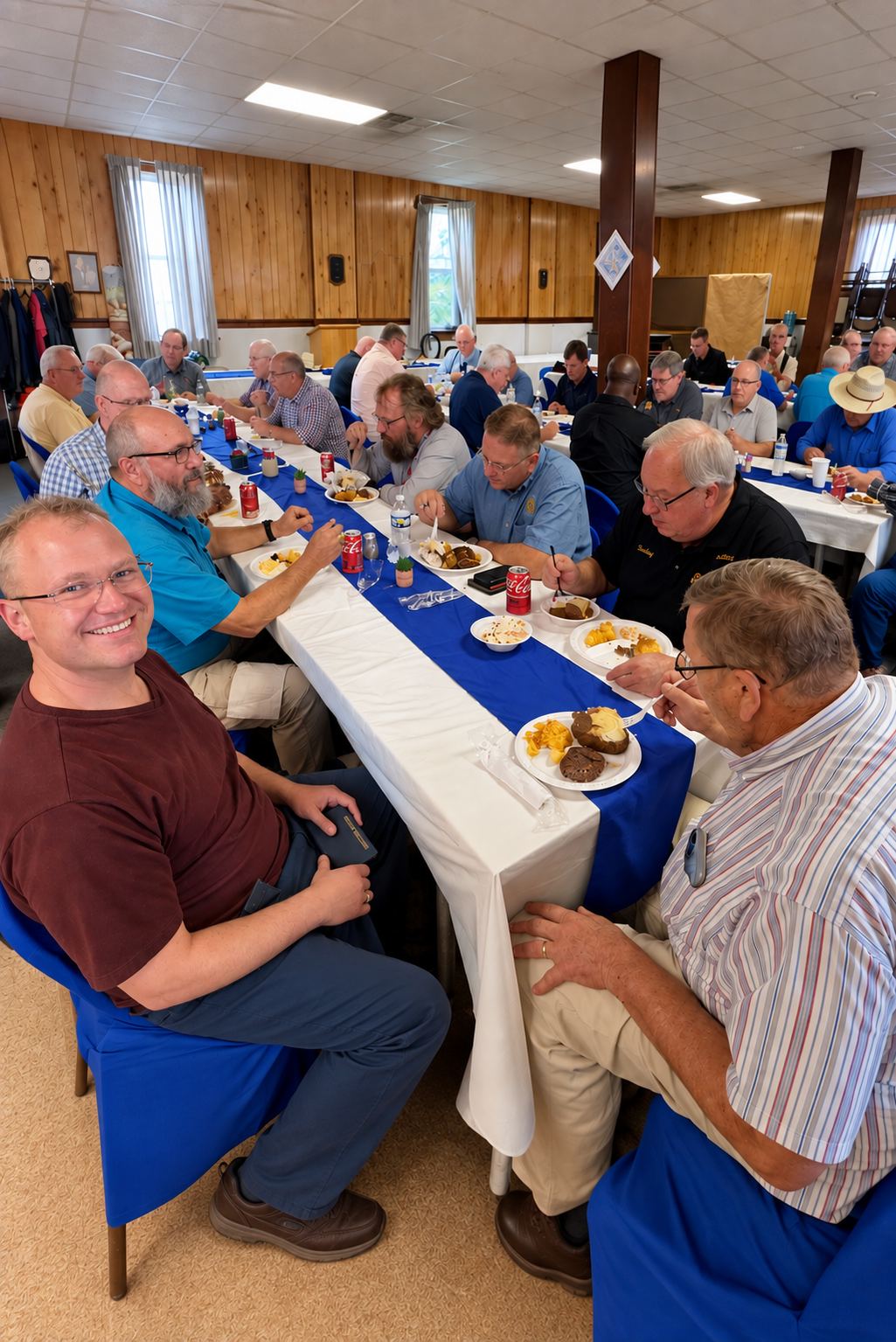
King Lodge members talking over dinner at long tables
Dinner before a Lodge meeting at King Lodge.
NO MYSTERY, JUST A MONDAY

What does a night at King Lodge actually look like?

Our stated meeting is the second Monday of every month. Here’s how the evening usually goes.

  1. Before 6:30

    Brothers start arriving

    People come in from work and catch up. Visitors are welcomed. Someone is probably already in the kitchen.

  2. 6:30 PM

    Dinner

    Everyone sits down together. Members talk, laugh, introduce visitors and enjoy a meal before the meeting.

  3. 7:30 PM

    The Lodge meeting

    Members move into the Lodge room, and the meeting is formally opened with a short traditional ceremony.

  4. Business

    It looks a lot like any organization

    Minutes are approved. Bills are presented. Finances may be discussed. Correspondence is read. Upcoming events and charity projects are planned, committees report, applications for membership may be considered, and members and visitors may be recognized.

  5. Sometimes

    A degree

    On some evenings, King Lodge conducts one of the three traditional ceremonies a new Mason goes through. They’re called degrees, and they use stories, symbols and tradition to teach lessons about character, responsibility and integrity.

  6. Afterward

    Fellowship

    The meeting formally closes. People rarely disappear right away; members usually hang around talking, laughing and catching up.

That’s a Lodge night.

There are traditions and ceremonies that make a Masonic meeting distinctly Masonic. But underneath them is something very ordinary: a group of men building friendships, improving themselves and trying to do some good in their community.

RELIGION? ILLUMINATI? SECRET HANDSHAKES?

Let’s get the big questions out of the way

Is Freemasonry a religion?

No.

Freemasonry asks its members to believe in a Supreme Being, but Masonry itself is not a religion. We don’t hold worship services, offer salvation or administer sacraments. The Worshipful Master (the Lodge’s elected president) is not a priest, and the Lodge doesn’t tell a man how to practice his faith.

Members practice their own religion, in their own house of worship, outside the Lodge.
Is Freemasonry the Illuminati?

No.

Freemasonry and the historical Illuminati are separate organizations. Popular culture and the internet have tied Masons to countless conspiracy theories.

The reality of a local Lodge is considerably less exciting: local men eating dinner, holding meetings, performing traditional ceremonies, raising money, working on community projects and enjoying each other’s company.

Is Freemasonry a secret society?

Not in the way you might think.

Our building isn’t secret. Our organization, our officers, our charitable work, and our community events are public, and members are free to tell others they’re Masons.

Freemasonry does keep certain traditions private, including parts of its degree ceremonies and the traditional ways Masons recognize one another.

Like many organizations, some traditions are reserved for members. That privacy is simply part of preserving the experience and traditions that have been passed from one generation of Masons to the next.

Do I have to be invited?

No.

This is one of the most persistent myths about Masonry. Masons traditionally don’t pressure anyone to join, which is why so many men think they’re waiting on an invitation.

If you’re interested, you take the first step and ask. That’s how most of us got here.

What happens behind closed doors?

A membership meeting.

Members handle Lodge business, hear reports, talk about finances, plan events and charity projects, vote when needed, and sometimes perform one of the traditional ceremonies for a new member.

Some portions stay private to members, but the basic purpose of a Lodge meeting isn’t mysterious.

Why all the strange words and symbols?

Because Freemasonry is old.

A lot of our terminology has survived for centuries while everyday language changed around it. Once someone explains what the words mean, most of them become a lot less mysterious.

If Freemasonry isn’t a religion, why do I have to believe in a Supreme Being?

It’s a fair question. Freemasonry asks its members to believe in a Supreme Being because the promises a Mason makes about how he’ll live are meant as serious promises, made before God.

But Masonry doesn’t define God for anyone. It doesn’t prescribe a particular church or religion, offer a path to salvation or replace a man’s faith. Questions of theology belong to each Mason and his own religion, not to the Lodge.

That’s why men of different faiths can sit together as Brothers without the Lodge trying to settle their differences.

OLD WORDS. SIMPLE EXPLANATIONS.

Some of our words are older than your grandparents. The ideas behind them aren’t.

Why “Worshipful”? The word comes from the Old English weorthscipe, meaning “worthiness” or “honor.” For centuries it was a title of respect, much like “Your Honor” for a judge today, and in England it is still used for some mayors, magistrates and historic trade guilds, such as the Worshipful Company of Carpenters. Masons do not worship the Worshipful Master. The title simply honors the Brother the members have elected to lead the Lodge for the year.

Why an “altar”? It’s another very old word. It comes from the Latin altare, usually traced to altus, meaning “high”: a raised place set apart for something important. In a Lodge, nothing on the altar is worshiped and no offerings are made. It is simply the table at the center of the room where the Holy Bible rests open during every meeting, a reminder to every Mason that there is a Supreme Being, and that we are accountable for our words, our thoughts and our actions, in the Lodge and in everyday life.

WORSHIPFUL MASTER? ALTAR? RITUAL?

It sounds stranger than it is.

Some of our words are centuries old and can sound religious or mysterious today. We explain what they really mean in plain English, answer whether Freemasonry is a religion, and walk through a typical Lodge night.

EXPLORE MASONIC TERMS →
WHY MEN JOIN TODAY

Why Freemasonry today?

In a world where so much of our time is spent looking at screens, Freemasonry offers something increasingly uncommon: real friendship, meaningful purpose, personal growth and a place to belong.

01

Brotherhood & Friendship

Build genuine friendships with men of different ages, jobs, backgrounds and experiences. Masonry gives you reasons to sit down together, share meals, work on projects and form friendships that can last a lifetime.

02

Purpose & Community

Be part of something bigger than yourself. Members work together on charity projects, community events, fundraisers and helping people right here in Bristol.

03

Personal Growth

Freemasonry encourages a man to take an honest look at his own character and keep working on it. Its lessons are about integrity, responsibility, honesty, self-discipline, compassion and keeping your word.

04

Mentorship Across Generations

Few places regularly put a 25-year-old, a 45-year-old and a 75-year-old around the same table as equals. You learn from men with different careers, experiences, successes, failures and points of view.

05

Leadership

Members organize events, run meetings, manage projects, speak in public, serve on committees and, in time, hold elected leadership positions. It’s practical experience you can use anywhere.

06

Tradition & Meaning

Freemasonry connects today’s members with generations of men who came before them. Its ceremonies use symbols, stories and tradition to get you thinking about character, responsibility and how you treat people.

  • Hands-on service
  • Face-to-face fellowship
  • A worldwide brotherhood
  • A place to use your own skills
YOU’RE JOINING A LONG STORY

Presidents, astronauts, musicians, athletes, tradesmen, farmers, teachers and working men

have all met as equals inside Masonic Lodges. A few of the better-known names:

  • George WashingtonFirst U.S. President
  • Benjamin FranklinFounding Father, printer and inventor
  • Harry S. Truman33rd U.S. President
  • Buzz AldrinApollo 11 astronaut
  • John WayneActor
  • Arnold PalmerGolfer
  • Brad PaisleyCountry musician
  • Shaquille O’NealBasketball Hall of Famer

But Masonry isn’t about famous Masons.

It’s about the men sitting beside you in Lodge.

STRAIGHT TALK

What Freemasonry is not

Freemasonry gives a man chances for friendship, service, leadership, reflection and personal growth.

What he does with those chances is up to him.

  • A religion
  • A church
  • A replacement for your faith
  • A political organization
  • A business networking club
  • A way to gain influence
  • A shortcut to personal success
  • A secret government
  • The Illuminati
  • A place where someone fixes your life for you
HOW JOINING WORKS

Requirements and the steps to join

Who can join

  • A man at least 18 years old
  • Believes in a Supreme Being
  • Of good character
  • Asks to join of his own free will

Annual dues work out to less than $12 a month. Ask us about the one-time fee when you apply.

  1. Get to know us

    Come to one of our events, or send us a message, and meet some members. Ask all the questions you want.

  2. Ask to join

    When you’re ready, you fill out an application (called a petition). Two members of the Lodge sign it to recommend you.

  3. A friendly visit

    A few members meet with you, and often your family, to get to know you and answer questions.

  4. The vote

    The members vote on your application at a Lodge meeting.

  5. Three degrees

    You go through the three stages of membership, Entered Apprentice, Fellowcraft and Master Mason, with a Brother helping you along the way.

HONEST ANSWERS

Frequently asked questions

New to words like Worshipful Master or Tyler? See our guide to Masonic terms.

What are the requirements to become a Mason in Tennessee?

At King Lodge, applicants must believe in a Supreme Being. Freemasonry is not itself a religion, and the Lodge does not require its members to belong to a particular religious denomination. You must also be a man at least 18 years old, be of good character and ask to join of your own free will. Your application (called a petition) is recommended by two members of the Lodge. We’ll help you meet them; most men get to know a few of us over a meal or at a Lodge event first.

Do I have to be invited?

No. Masons traditionally don’t recruit or pressure anyone, so the first step is yours: just ask. Talk to a Mason you know, come to one of our public events or send us a message.

How much does it cost?

Less than most people expect. There’s a one-time fee when you apply, and after that our annual dues work out to less than $12 a month. Ask us for the current amounts and we’ll give you the details.

How much time does Masonry take?

King Lodge’s regular meeting is once a month, on the second Monday, with dinner beforehand. While you’re working through the degrees you’ll also spend some time learning with a Brother who mentors you. Beyond that, how involved you get in events, projects and other activities is up to you.

Do I have to memorize anything?

Yes, a little, but don’t worry. Between each degree you learn a short piece by heart, and a Brother works with you one-on-one until you’re comfortable. Most men find it far more manageable than they expected, and the lessons tend to stay with you.

What happens during a degree?

A degree is a traditional ceremony, a little like a play in which the new member takes part, and you’ll be guided the whole way. Masonic degrees are conducted with dignity and respect. They are not intended to humiliate or endanger candidates. Each ceremony uses traditional lessons and symbols to teach principles of character, responsibility, and integrity.

Is Freemasonry a religion?

No. Masonry asks its members to believe in a Supreme Being, but it doesn’t hold worship services, offer salvation, administer sacraments or tell anyone how to practice his faith. More on that here.

Why do you pray if Masonry isn’t a religion?

For the same reason many legislatures, civic clubs and military units open with a prayer. A short prayer opens and closes our meetings and blesses our meals. Praying at a meeting doesn’t turn the organization into a church.

Can Christians become Freemasons?

Yes. Men of many Christian denominations are Masons, and in King Lodge the Holy Bible lies open on the altar at every meeting. Masonry doesn’t ask you to change or add to your beliefs.

Can men of other faiths become Freemasons?

Yes. Freemasonry welcomes good men of any faith who believe in a Supreme Being. The Lodge doesn’t try to settle theological differences between its members; that belongs to each man and his own religion.

Can my wife and family know what happens at Lodge?

Mostly, yes. You can talk about what we do, who’s there, what you’re learning and how you feel about it. Only a few things, such as certain parts of the ceremonies and the traditional ways Masons recognize each other, are kept private. Families are welcome at our public events and meals.

Why are parts of Masonry private?

Partly tradition, and partly so each new member can experience the ceremonies fresh, the way you’d rather not have a movie spoiled before you see it. The private parts are about how the lessons are presented, not about anything hidden from the community.

What happens during a normal Lodge meeting?

Much of it is like any organization’s meeting: minutes, bills, reports, planning events and charity projects, and voting on new members. It opens and closes with a short traditional ceremony. See a typical Lodge night.

What does "Worshipful" mean?

It’s an old English title of respect, meaning honorable. It has nothing to do with worship. The Worshipful Master is simply the Lodge’s elected president. More old words, explained.

Why are there so many officers?

Because a Lodge has a lot of jobs: running meetings, keeping records, managing money, organizing meals and events, welcoming visitors and helping with ceremonies. Spreading them among several officers keeps things organized, and most leaders work their way up through the offices over the years.

What if I decide Masonry isn’t for me?

That’s fine. Membership is voluntary. You can talk with us and decide not to apply. If you join and later decide Freemasonry is no longer right for you, you may request to withdraw through the Lodge’s established procedures. No hard feelings.

Can I visit King Lodge before deciding?

Absolutely, and we’d encourage it. Come to one of our public events, or send us a message and we’ll arrange a time to meet and show you around the building.

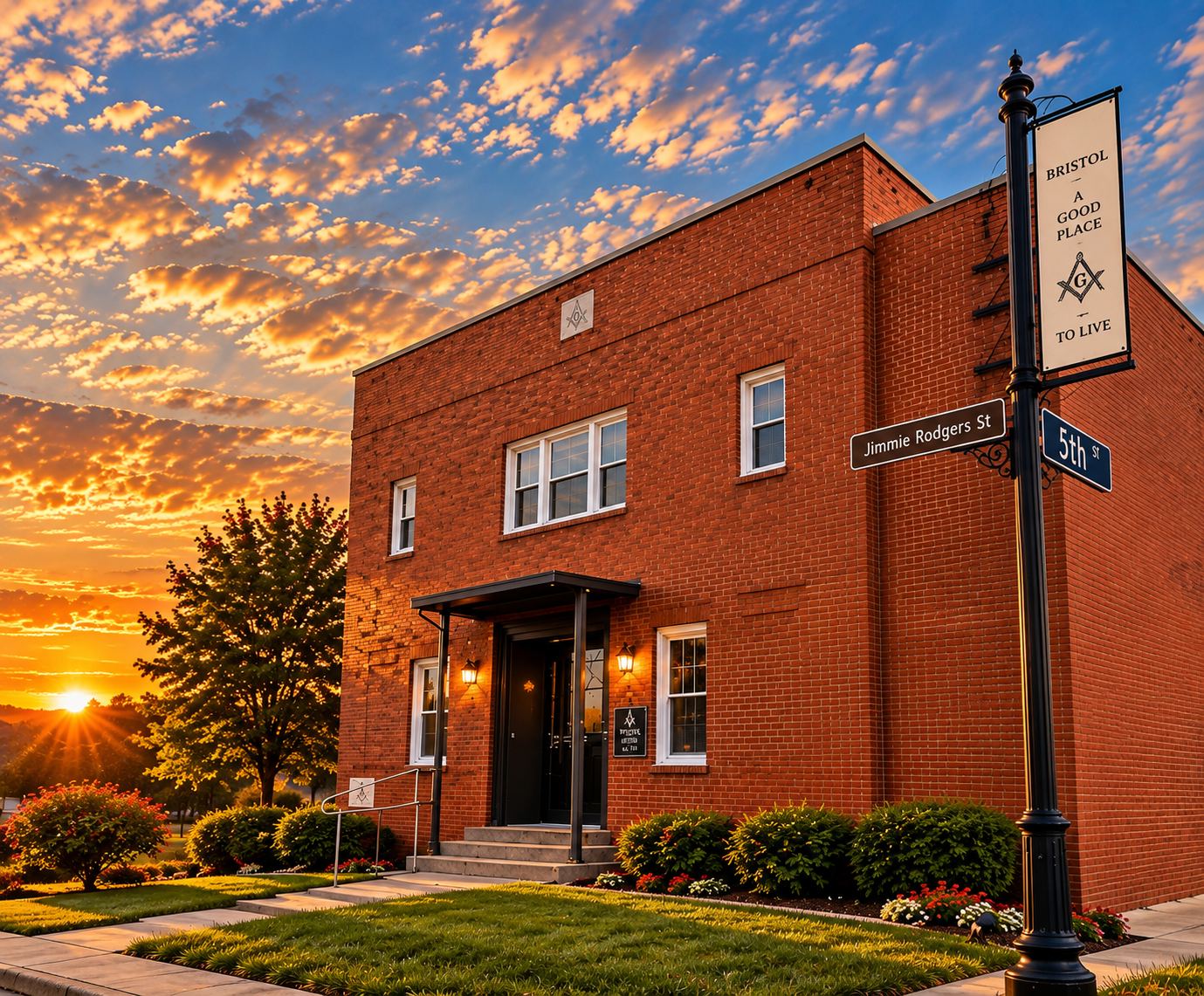
The King Masonic Temple at 35 5th Street in downtown Bristol
CURIOUS?

Don’t petition yet. Come meet us.

You don’t have to decide today whether you want to become a Mason. Come by the Lodge. See the building. Meet some of our members.

  • Ask the uncomfortable questions.
  • Ask about the symbols and the ceremonies.
  • Ask about religion.
  • Ask about the “secret” stuff.
  • Ask what we actually do.

Then decide whether Freemasonry might have a place in your life.