
It sounds stranger than it is.
If you’ve never been inside a Masonic Lodge, some of our terminology can sound unusual.
We have a Worshipful Master. We meet in a Lodge, or sometimes a Masonic Temple. There are Wardens, Deacons, a Chaplain, an altar, degrees, rituals and obligations. Read those words without context and it’s easy to understand why Freemasonry has collected its share of myths and misconceptions.
The reality is much less mysterious.
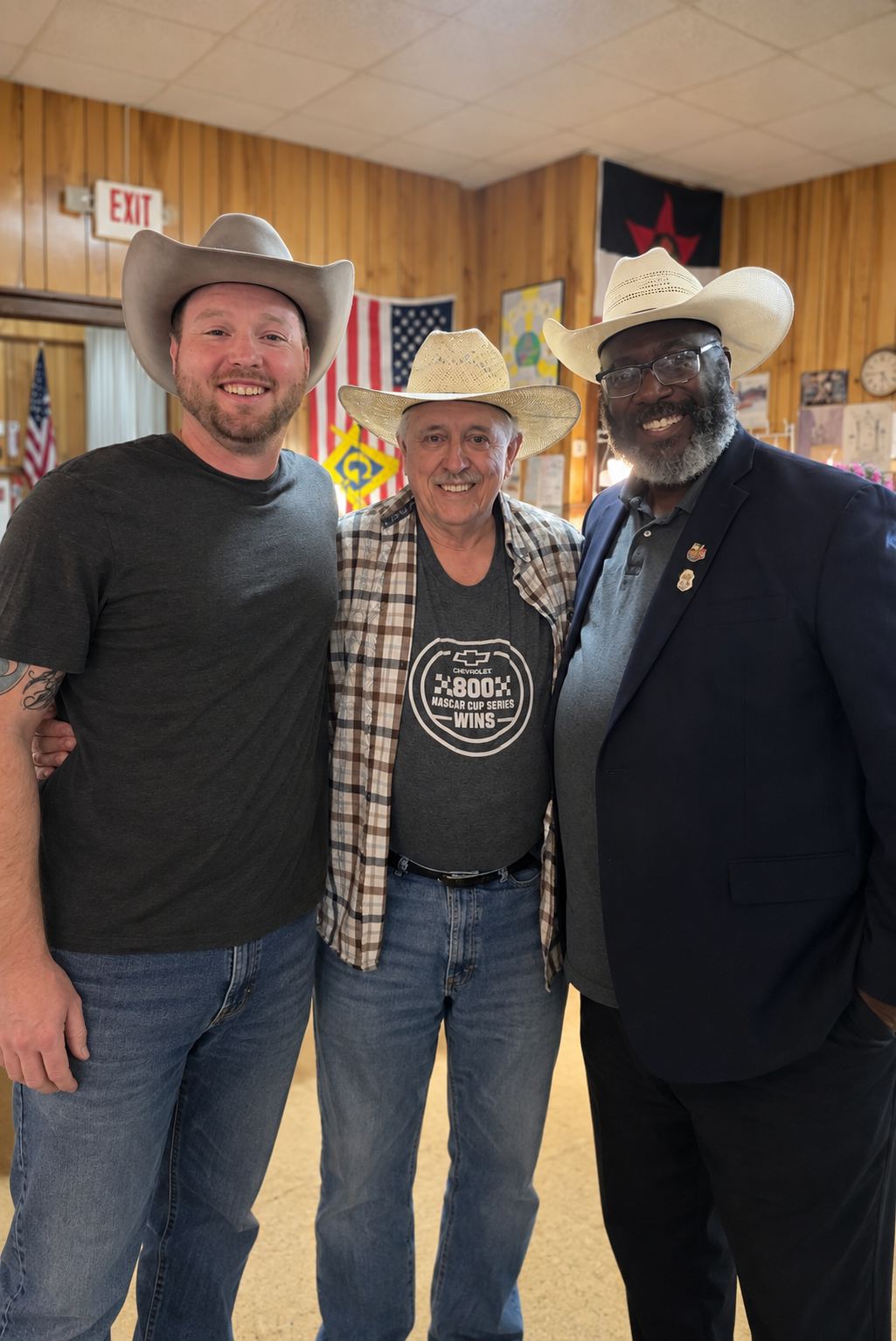
Freemasonry is a fraternity, not a religion. We do not worship in the Lodge. We do not offer salvation, administer sacraments, preach religious doctrine, or tell a man how he must practice his faith.
Much of our terminology simply survived from earlier centuries. The words may sound unusual today because everyday language changed while Freemasonry kept many of its traditional titles.
For example, our organization is called a Lodge, and the building where we meet is sometimes called a Masonic Temple. Our elected leader carries the traditional title of Worshipful Master.
Strip away the old terminology and a Masonic Lodge operates much like many other membership or nonprofit organizations. Members elect leaders. A secretary keeps the records. A treasurer manages the money. Committees organize projects. Meetings follow an agenda. Different officers have different responsibilities.
The names are old. The concept isn’t.
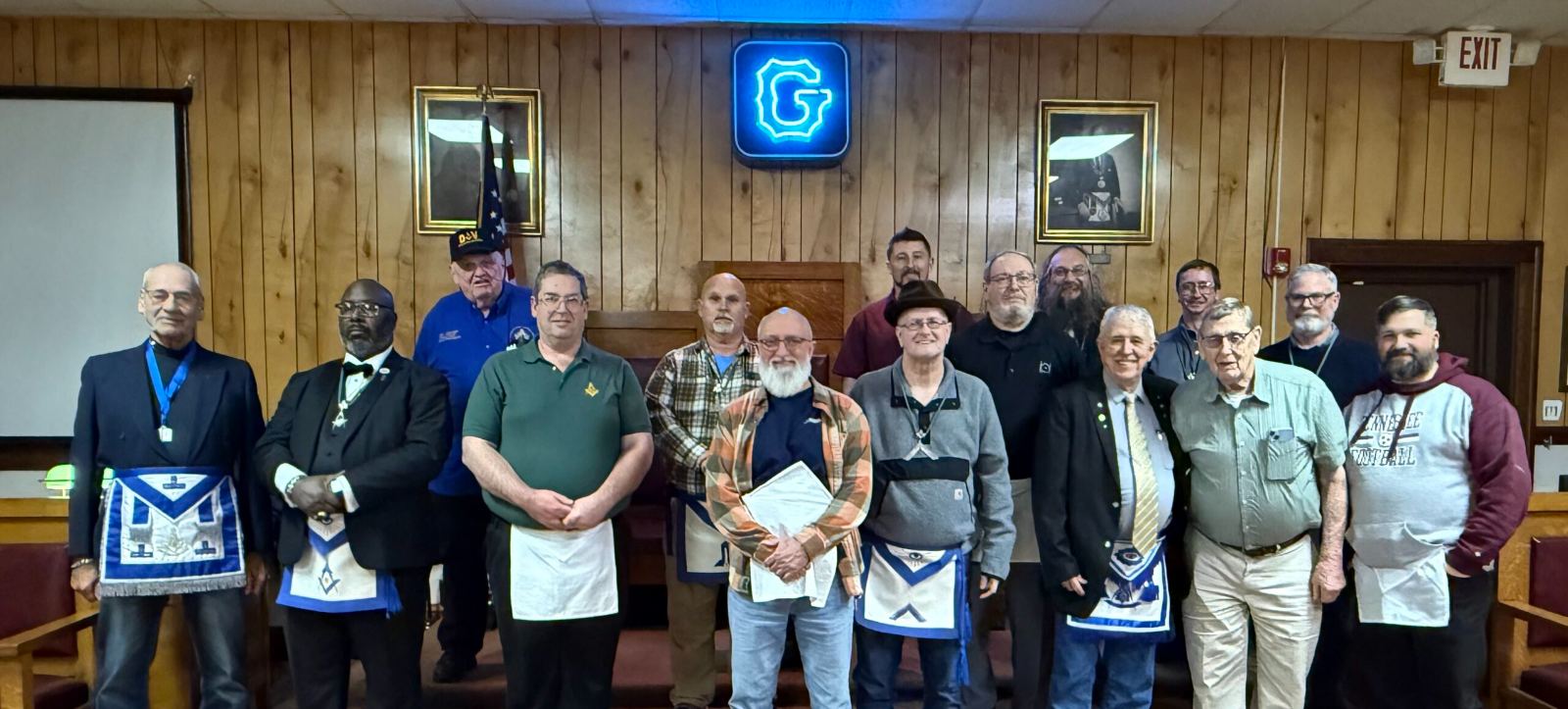
Oh. That’s all that means.
- Worshipful MasterElected Lodge president*
- WardenSenior Lodge officer
- TylerDoor attendant
- RitualTraditional ceremony
- DegreeStage of membership
- ObligationSolemn promise
- LodgeLocal chapter
- Grand LodgeState governing organization
- TempleMasonic building or meeting place
- AltarSymbolic center of the Lodge room†
Why “Worshipful”? The word comes from the Old English weorthscipe, meaning “worthiness” or “honor.” For centuries it was a title of respect, much like “Your Honor” for a judge today, and in England it is still used for some mayors, magistrates and historic trade guilds, such as the Worshipful Company of Carpenters. Masons do not worship the Worshipful Master. The title simply honors the Brother the members have elected to lead the Lodge for the year.
Why an “altar”? It’s another very old word. It comes from the Latin altare, usually traced to altus, meaning “high”: a raised place set apart for something important. In a Lodge, nothing on the altar is worshiped and no offerings are made. It is simply the table at the center of the room where the Holy Bible rests open during every meeting, a reminder to every Mason that there is a Supreme Being, and that we are accountable for our words, our thoughts and our actions, in the Lodge and in everyday life.
The officers, in modern terms
| Masonic title | Roughly comparable to |
|---|---|
| Worshipful Master | President or chairman |
| Senior Warden | Senior vice president |
| Junior Warden | Junior vice president |
| Secretary | Secretary or administrator |
| Treasurer | Treasurer |
| Deacons | Meeting assistants and guides |
| Stewards | Hospitality and ceremony assistants |
| Marshal | Ceremonial coordinator |
| Chaplain | Chaplain (leads opening and closing prayers) |
| Tyler | Door attendant and meeting security |
These comparisons are only meant to give a feel for what each officer does. They aren’t exact replacements for the traditional offices, each of which has its own duties and history.
Why so many officers?
A Lodge can have dozens or even hundreds of members. Someone has to lead meetings, manage the money, keep the records, organize meals and events, keep in touch with members, coordinate charity projects, welcome visitors, help with ceremonies and keep meetings orderly.
Instead of putting all of that on one or two people, Freemasonry divides the jobs among several officers. Most of them move up through the offices over the years, which means every leader has learned the Lodge from the ground up.
It’s a structure for sharing the work and keeping a Lodge organized and harmonious, not a hierarchy of personal power.
Is Freemasonry a religion?
No.
Freemasonry asks its members to believe in a Supreme Being, but it does not tell a man what his religion must be or how he should worship. Members are expected to practice their own faith, in their own house of worship, outside the Lodge.
Prayer is traditionally part of Masonic meetings, just as prayer has long been part of meetings of civic organizations, legislatures, military units and many other groups. Prayer at a meeting doesn’t make the organization itself a religion.
You may also hear Masons refer to God as the Great Architect of the Universe. It’s a traditional, respectful name that fits the fraternity’s builders’ symbolism, and it lets men of different faiths pray together while each understands God in the light of his own religion. It isn’t the name of a separate Masonic god or belief.
- There are no Masonic sacraments.
- There is no Masonic path to salvation.
- The Worshipful Master is not a priest.
- The Chaplain is not the spiritual leader of a congregation.
- The altar is not a place where Masons worship.
- A Lodge meeting is not a church service.
Freemasonry uses some religious-sounding language and symbols, but Freemasonry itself is not a religion.
What about the myths and mysteries surrounding Freemasonry?
Freemasonry has been around for centuries, and in that time it has gathered more than its share of myths. Books, movies and the internet have told plenty of stories about what Masons supposedly do behind closed doors, from secretly running the world to hiding ancient treasure.
The reality of a local Lodge is considerably less exciting. Our members are local men who meet, eat dinner, take care of Lodge business, perform traditional ceremonies, raise money for good causes, work on community projects, help people and enjoy one another’s company. The most powerful thing most of us control is the grill at the car show.
Freemasonry does keep some traditions private. Members don’t publicly share certain parts of the degree ceremonies or the traditional ways Masons recognize one another, much as a family keeps its own traditions. Everything else about who we are and what we do is open to anyone who asks.
Some traditions are private, but our purpose is not a mystery.
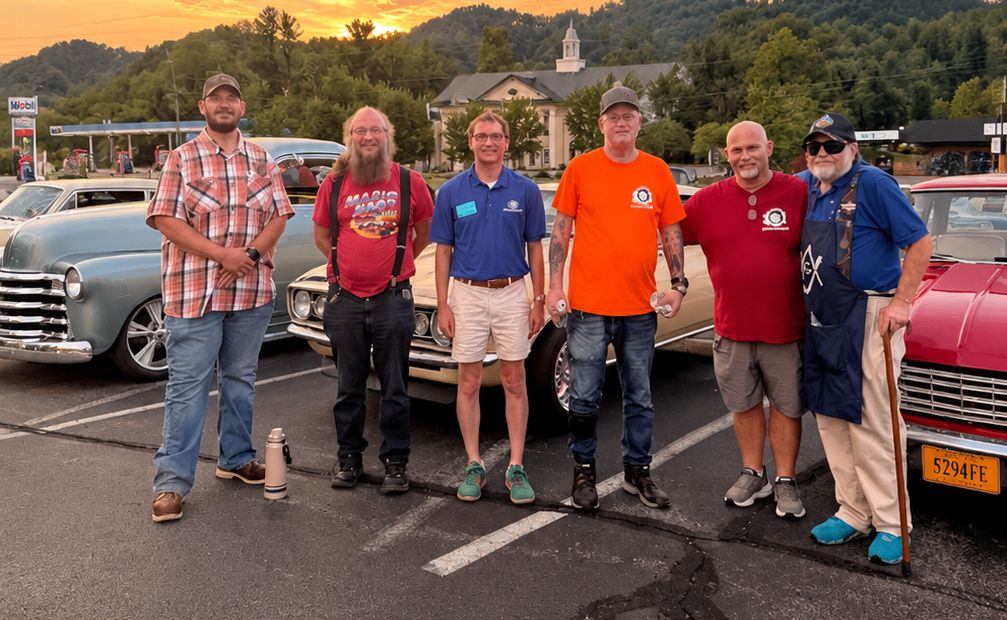
- Our Lodge building isn’t hidden.
- Our existence isn’t hidden.
- Our officers aren’t hidden.
- Our charity work isn’t hidden.
- Our community events aren’t hidden.
You can contact us, come to our public events like the community breakfast, see our building, meet our members and ask whatever you like.
Ritual, degrees and obligations
What does “ritual” mean?
To modern ears the word can sound religious or mysterious. Its meaning is much simpler.
Think about a graduation, a military promotion, a courtroom, a wedding or the opening of a legislative session. Certain things happen in a particular order, and particular words are traditionally used.
Masonic ritual works the same way. We use memorized ceremonies to open and close meetings and to conduct the three degrees. They use stories, symbols and allegory to teach lessons about character, integrity, responsibility and how we treat other people.
Ritual doesn’t mean worship.
What are the degrees?
A new Mason moves through three stages of membership called degrees. Think of them as three stages of membership and instruction:
- 1 Entered Apprentice
- 2 Fellowcraft
- 3 Master Mason
Each one is a traditional ceremony that uses stories and symbols to teach lessons about character, responsibility, personal growth and our obligations to other people. They are not religious sacraments.
What is an obligation?
“Obligation” can sound intimidating without context. It’s essentially a solemn promise.
Members promise to conduct themselves honorably, keep the private traditions entrusted to them, follow the rules of the fraternity and look out for their fellow members.
An obligation is not worship, and it never replaces a man’s responsibilities to God, his family, his country or his own faith.
What actually happens at a Lodge meeting?
Here’s a typical Lodge night, in plain language.
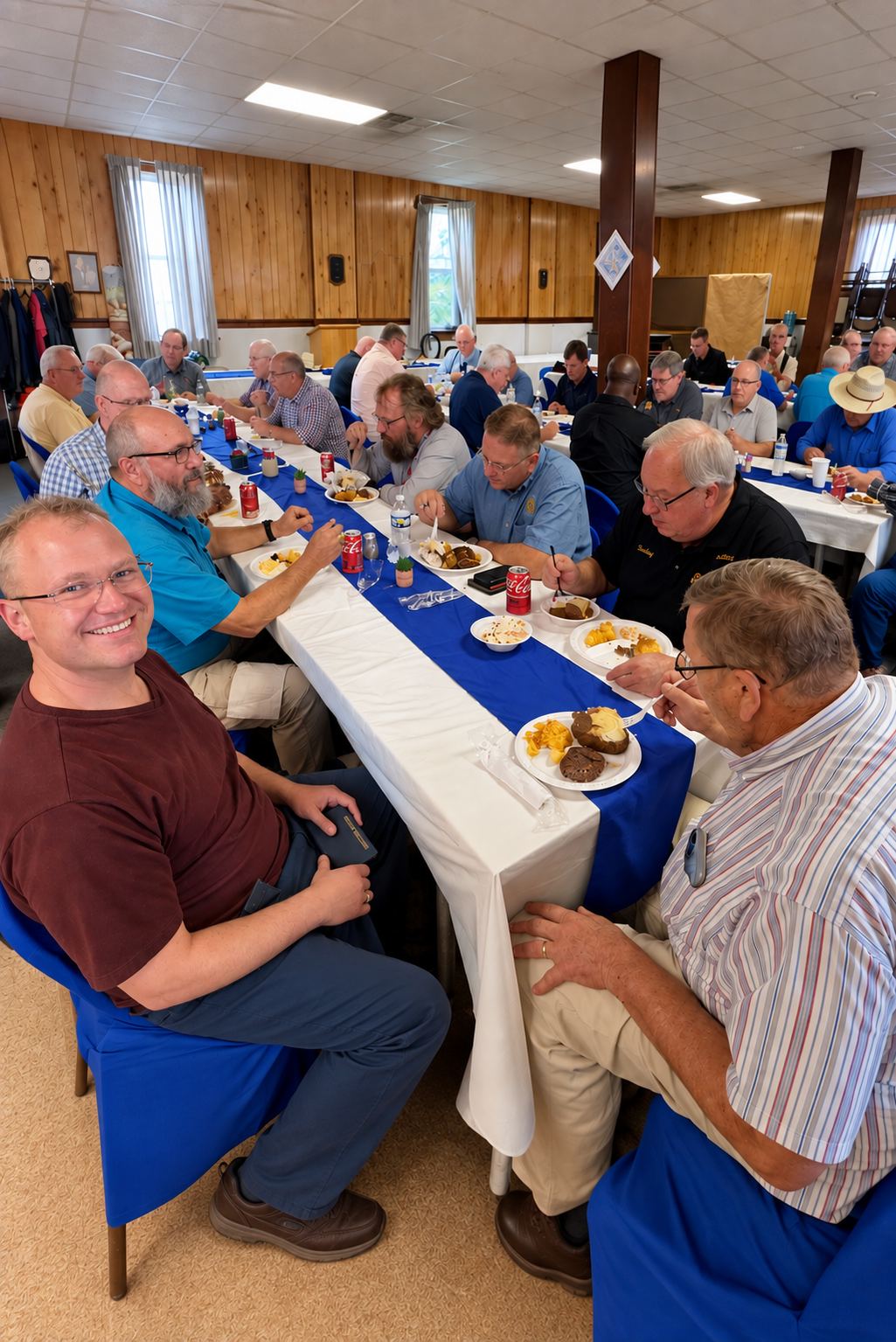
Members arrive
People catch up, shake hands and talk about their week.
Dinner together
Often everyone eats together first. At King Lodge, the meal is at 6:30 on the second Monday.
The meeting opens
Members move into the Lodge room and the meeting is opened with a short traditional ceremony.
The business portion
Much of the meeting looks like any other organization’s: minutes are approved, bills are paid, finances and correspondence are reviewed, committees report, and upcoming events and charity projects are planned. New membership applications may be considered, and members or visitors may be recognized.
Sometimes, a degree
On some nights the Lodge holds a degree ceremony to welcome a new member to the next stage of membership.
The meeting closes
The meeting is formally closed, and plenty of members stay afterward to talk.
There are traditions that make a Masonic meeting distinctly Masonic. But underneath them is something very ordinary: a group of men trying to build friendships, improve themselves, keep a meaningful tradition alive and do some good in their community.
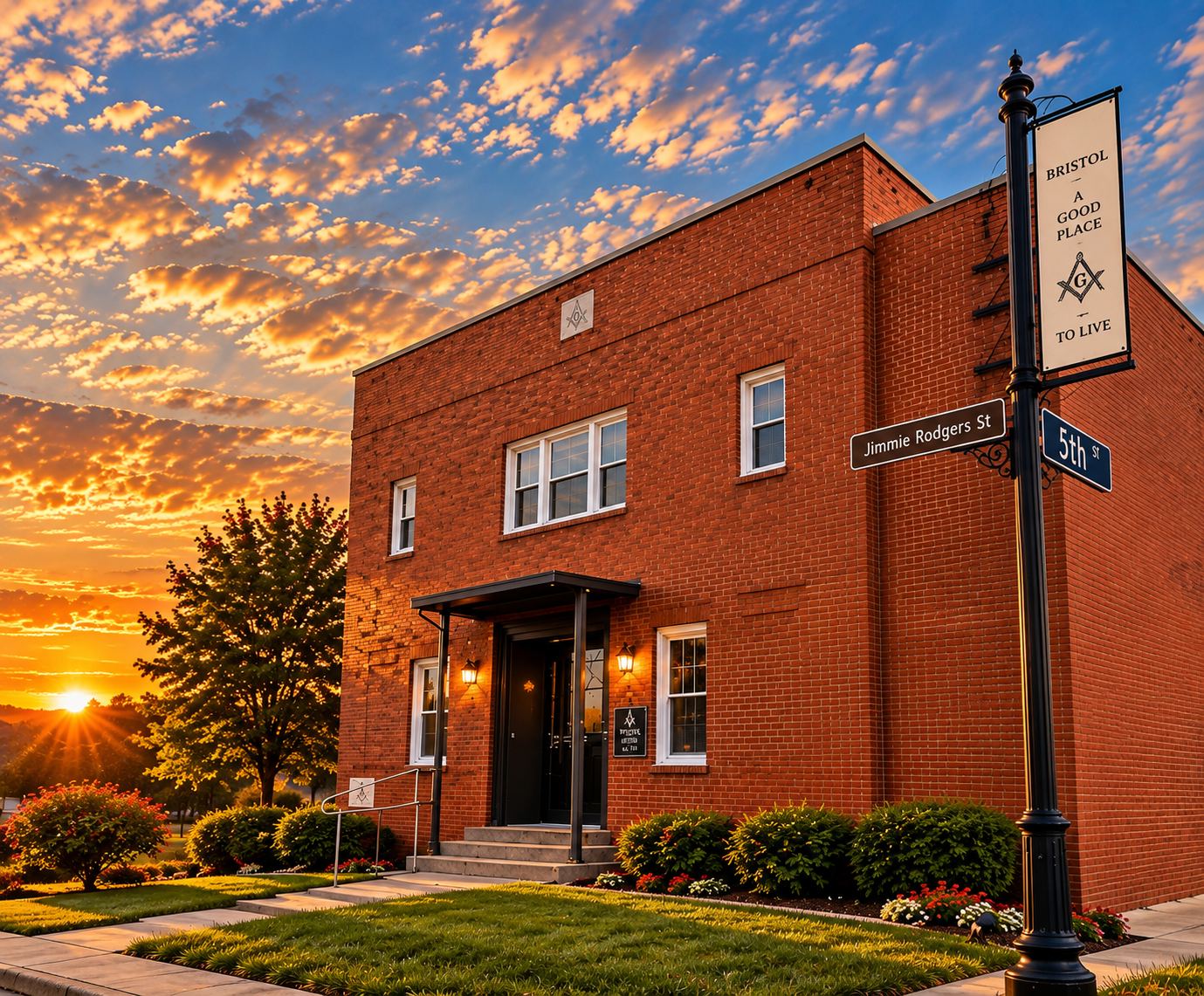
Come meet us. See if it’s a fit.
Reading about Freemasonry only goes so far. The best way to understand it is to sit down with the men who live it. Come by the Lodge, meet some of the Brothers, ask whatever is on your mind, and see for yourself whether Masonry feels like a good fit for you.
There’s no pressure and no commitment. Just a conversation, and maybe a cup of coffee.
King Lodge No. 461 · 35 5th Street, Bristol, Tennessee · 423-484-8393